AI Life / Home / Robot Mowers
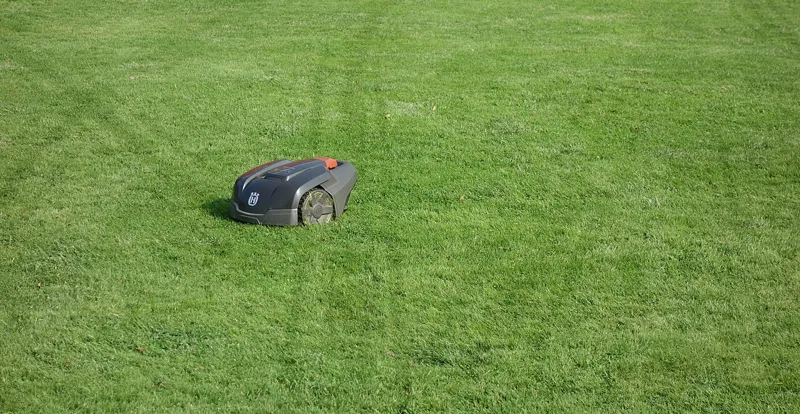

Wire-free mowers skip the boundary wire you used to bury around the lawn. They find their way with satellite positioning (RTK), LiDAR, cameras, or a mix. Which one fits depends on your yard more than the brand. The full set of guides is on the robot mower hub .
Picks by yard
| Yard | Pick | Key specs | Source |
|---|---|---|---|
| Small, flat (up to 1/8 acre) | Segway Navimow i105 | $799, 30% slope, RTK plus vision | SunCo Lawns |
| Small to medium, moderate slopes | Navimow i2 AWD line | 45% slope rating | iTechGuides |
| Large, steep, tree cover | Mammotion LUBA 3 AWD | $2,799 MSRP, 80% slope, LiDAR plus RTK plus vision | Android Authority |
| Want dealer support | Husqvarna Automower 410 iQ | 0.5 acre, EPOS satellite positioning | Popular Mechanics |
Notes on each
Mammotion LUBA 3 AWD. Android Authority’s top overall pick for cut quality, quiet running and setup that needs no RTK antenna. Popular Mechanics found its auto-mapping got about 80% of the test yard right on the first pass. The Verge saw it dig into soft ground on turns, so it’s less suited to soggy lawns (The Verge ). See the LUBA 3 AWD at Mammotion
Navimow. The value line. The i105 is the cheapest wire-free model in the lineup and suits small flat yards. Step up to the AWD models for hills. See Navimow mowers
Husqvarna. Popular Mechanics’ reviewer mapped a backyard in under 20 minutes with the 410 iQ. The Verge notes the 420 iQ has a four-year warranty but uses radar, not a camera, for obstacles, and ran into a bush once. See Husqvarna Automower
Before you buy
- Measure the mowable area and the steepest section, not the lot size.
- RTK wants open sky. Heavy tree cover favors LiDAR or tri-sensor mowers.
- Wire-free still means mapping, dock placement and some edge trimming.
Slopes are their own topic: see robot mowers on hills and small yards . For a head-to-head, read Navimow vs Mammotion vs Husqvarna .
What my agent can do with it
A mower that schedules itself is good. A mower that checks the forecast through an agent is better. If your mower exposes start and dock commands to Home Assistant, an agent can skip a run when rain is coming and tell you when the blades are due.