As an Amazon Associate I earn from qualifying purchases.
Is an AI Pendant Worth It? What Survived the AI Pin Era (2026)
Heads up: some links here are affiliate links. If you buy through them I may earn a commission, at no extra cost to you. It doesn't change what I recommend.
Who should wear an AI pendant, what survived the first wave of AI pins (Humane, Limitless, Rabbit), what is still sold, and a five-question test before you buy one.
AI Life / Gadgets / AI Recorders
Short answer: an AI pendant is worth it if your day is full of spoken conversations you’d otherwise forget, and you’re willing to tell people you’re recording. It isn’t worth it as a general AI assistant; that’s what the first wave of AI pins tried to be, and most of them are gone. The devices that survived do one job: record, transcribe and summarize. Before you buy, check what the free plan covers, whether it records phone calls, and whether you can get your data out if the company disappears.
What does an AI pendant actually do?
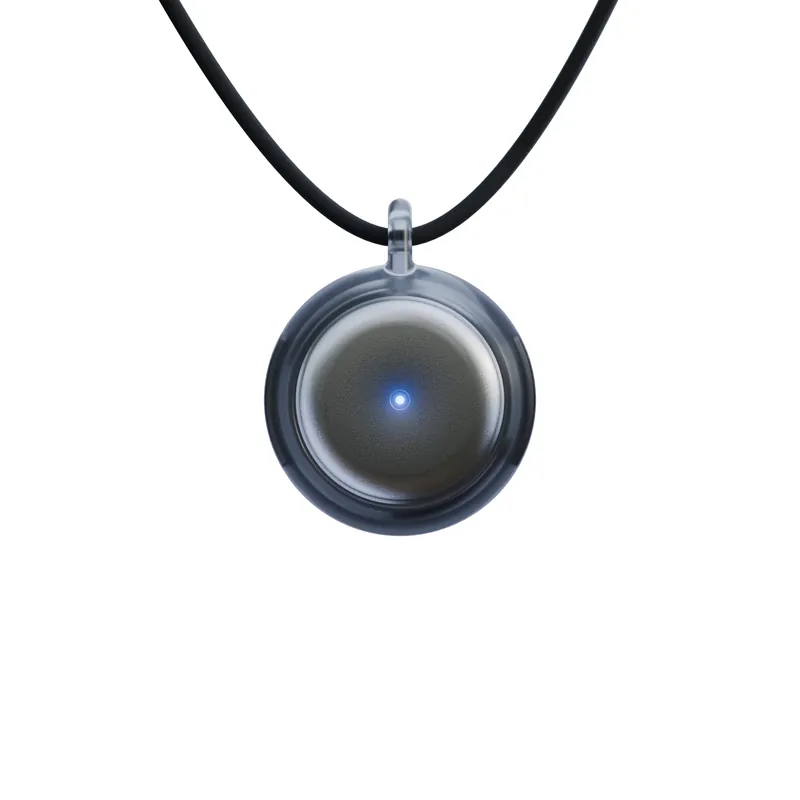
It’s a microphone you wear. It records conversations, sends the audio to a transcription service, and gives you back a transcript, a summary and usually a list of action items, all searchable later. Some listen all day; others record only when you press a button. Everything clever happens in the app and the cloud, not in the pendant.
That’s the key difference from the first wave of AI pins, which tried to replace the phone with a voice assistant, a camera and sometimes a projector. The surviving products don’t try to replace anything. They remember things for you.
Are AI pins dead?
The first wave mostly is:
- Humane AI Pin. Service ended on February 28, 2025, after HP bought Humane’s assets, and the pins stopped working as designed (The Verge).
- Limitless Pendant. Meta acquired Limitless in December 2025 and stopped selling the pendant.
- Bee. Amazon acquired Bee in 2025, and it’s now sold as an Amazon product with Alexa ties (Pocket vs Bee).
- Rabbit R1. Still around in some form, but it was never a recorder, and I couldn’t confirm its current status from a strong source. Check Rabbit’s site.
The pattern is useful. A general AI assistant on your lapel was a solution looking for a problem. A recorder that turns conversations into notes solves a real one, which is why that’s what is still on sale. Smart ovens have the same story: see Brava’s shutdown.
Which AI pendants and wearables are still sold?
| Device | Form | Records calls? | Free transcription | Agent access | More |
|---|---|---|---|---|---|
| Plaud NotePin S | Pin, clip, wristband or lanyard | No | 300 minutes a month | Plaud MCP | Review |
| Omi | Pendant, open source | Not listed | Check Omi’s plans | MCP, custom backend | Pocket vs Omi |
| Bee (Amazon) | Wearable | Not on the wearable | Limited; Bee Pro adds features | No MCP listed | Pocket vs Bee |
| Phone clip, not a pendant | Yes, contact mic | No minute cap | Pocket MCP | Pocket review |
I include Pocket because it’s what most people comparing pendants end up weighing against them, and because it’s the one I own. TechCrunch’s AI wearables roundup covers more of what’s on sale now.
See the Plaud NotePin Get Pocket
Who should wear one?
Good fit:
- People whose work is face-to-face conversation on the move: site visits, clinic rounds, field sales, reporters.
- People who think out loud and lose ideas between the thought and the notes app.
- Anyone who has been in a meeting and later couldn’t remember who promised what.
Poor fit:
- People whose conversations are mostly on Zoom or Teams. A desktop note taker covers that with no hardware: see best AI note taker with no bot.
- People whose conversations are mostly phone calls. Most pendants can’t hear the other side of a call.
- Anyone working with confidential client or patient conversations without a clear policy. A pendant makes recording effortless, which is the point and the risk.
Always-on or press-to-record?
This is the biggest choice, and it’s more about people than technology. An always-on pendant catches the conversation you didn’t know would matter, but it also records everyone around you all day, and it creates a large archive of other people’s words. A press-to-record device like the NotePin S captures only what you choose. It misses things, but it’s much easier to square with consent rules and with the people you live and work with. If you’re unsure, start with press-to-record.
Is it legal to wear a recorder?
Recording laws vary. Some US states, including California, require everyone in a conversation to consent. Workplaces, schools and hospitals often have stricter rules. A pendant doesn’t change your obligations, it just makes it easier to forget them. I tell people when I’m recording, every time.
The five-question pendant test
Answer these honestly before you buy. If you answer no to two or more, skip it.
- Do I have at least an hour a day of spoken conversation worth remembering? If not, your phone’s voice memo app is enough.
- Do those conversations happen away from a laptop? If not, use a desktop note taker.
- Will I tell people I’m recording? If you won’t, don’t buy one.
- Does the free plan cover my hours, or will I pay for a plan? Count a normal week and multiply by four.
- Can I export my audio and transcripts? If the company disappears, that’s all you keep.
Will the company still be around in two years?
Nobody knows, which is why question five matters. Humane AI Pin owners were left with a device that stopped working as designed. Limitless buyers found out their device’s future belonged to Meta. Favor makers that let you download audio in a standard format, that offer an API or MCP server so your data can flow into your own tools, and, for the cautious, open source options like Omi that can point at a backend you control.
For alternatives worn on your face, see AI glasses vs a pocket recorder. For the whole category, see the AI recorder hub.
Pendant, phone clip or smart glasses?
All three put a microphone on you, and they suit different days:
| Pendant or pin | Phone clip | Smart glasses | |
|---|---|---|---|
| Hands-free | Yes | No, it’s on your phone | Yes |
| Phone calls | Usually no | Yes, on clip-on models built for calls | Through the phone, not recorded as notes |
| Camera | No | No | Yes |
| Discretion | Visible on your clothes | Hidden on the phone | Looks like glasses |
| Battery | All day on most | Days on some | Hours, depending on use |
| Best for | Walking conversations | Calls plus meetings | Capturing what you see |
If you’re choosing between a pendant and a phone clip, the deciding question is phone calls. If you’re choosing between a pendant and glasses, the deciding question is whether you need a camera. A camera raises the consent stakes again, because now you’re capturing faces as well as voices.
Where does the audio go?
Almost every AI pendant sends audio to a cloud service for transcription and summarizing. Some keep the audio so you can replay it; others delete it after processing and keep only the transcript. Before you buy, read three things in the privacy policy: whether audio is stored and for how long, whether your recordings are used to train models and how to opt out, and how to delete everything if you stop using it. Open source devices like Omi let you point the pendant at your own backend, which is the strongest privacy answer if you’re technical enough to run one.
How much battery and storage do you need?
Plan for your longest normal day, not your average one. A pendant that records only when you press the button can last days; one that listens all day needs charging nightly. Onboard storage matters when you’re away from your phone or WiFi for a while, because the pendant holds the audio until it can sync. Check two numbers on the spec sheet, continuous recording hours and standby days, and ignore the bigger of the two if you plan to record all day.
FAQ
Is an AI pendant worth it?
Yes if you have a lot of spoken conversations you would otherwise forget, like sales, management, interviews or school, and you are comfortable telling people you are recording. No if you mostly want reminders or a voice assistant, which your phone already does.
Are AI pins dead?
The first wave mostly is. Humane’s AI Pin stopped working on February 28, 2025, and Meta bought Limitless and stopped selling its pendant in December 2025. What survived are devices that do one job well: recording and summarizing conversations.
What is the difference between an AI pendant and an AI recorder?
A pendant is worn on a cord or clip and is built for hands-free, all-day listening. A recorder usually sticks to your phone or sits on a table, and the phone-clip kind can also record calls. Many brands sell both.
What happens to my recordings if the company shuts down?
Usually the cloud features stop and the app may stop working. Export your recordings and transcripts regularly, and prefer devices that let you download audio in a standard format or send it to your own tools.
Frequently asked questions
Is an AI pendant worth it?
Yes if you have a lot of spoken conversations you would otherwise forget, like sales, management, interviews or school, and you are comfortable telling people you are recording. No if you mostly want reminders or a voice assistant, which your phone already does.
Are AI pins dead?
The first wave mostly is. Humane’s AI Pin stopped working on February 28, 2025, and Meta bought Limitless and stopped selling its pendant in December 2025. What survived are devices that do one job well: recording and summarizing conversations.
What is the difference between an AI pendant and an AI recorder?
A pendant is worn on a cord or clip and is built for hands-free, all-day listening. A recorder usually sticks to your phone or sits on a table, and the phone-clip kind can also record calls. Many brands sell both.
What happens to my recordings if the company shuts down?
Usually the cloud features stop and the app may stop working. Export your recordings and transcripts regularly, and prefer devices that let you download audio in a standard format or send it to your own tools.